How will we pick up our lives again post-Covid?
- Economy
More and more people around me are openly wondering what life will be like post-Covid. If we can hit the brakes as hard as we have now, how much will the world have changed when we pick up our lives again in (for instance) a year’s time?
As Dutch Prime Minister Mark Rutte has announced, the coronavirus will be dictating our lives for more than a few weeks, and perhaps more than a few months. This fact alone is forcing large swathes of the Dutch business community to wonder how to market their products digitally. Restaurants are developing delivery services on a large scale; but our piano instructor, for example, having cancelled two weeks of lessons is now marketing a new digital service as well: piano lessons in quarantine.Another major development is how many possibilities are being created for remote meetings and conferences – even virtual coffee breaks with friends, or with older people who are feeling lonely. It is taking some getting used to, and at first we were all clicking on the wrong buttons, but the technology and our own proficiency are improving rapidly. While the end of the pandemic will of course bring an eagerly-awaited return to actual physical contact, I do not believe that we will ever want to fully give up the convenience of doing these things from the comfort of our own homes. This could have a major impact on the travel industry – and business travel in particular. For our climate goals it would be fantastic news, however. The best example can be seen in China. Aerial photographs that NASA took over China in February showed extremely clean skies over cities that are normally pitch black. After large parts of the Chinese economy were put on hold in February, and emissions dropped away, US environmental economist Marshall Burke calculated how many deaths were prevented by the cleaner air in Chinese cities. He then compared that figure with the number of deaths from the coronavirus outbreak. The result was shocking: clean air prevented twenty times as many deaths as Covid-19 caused!
“"Group Economics: Enabling smart decisions"”
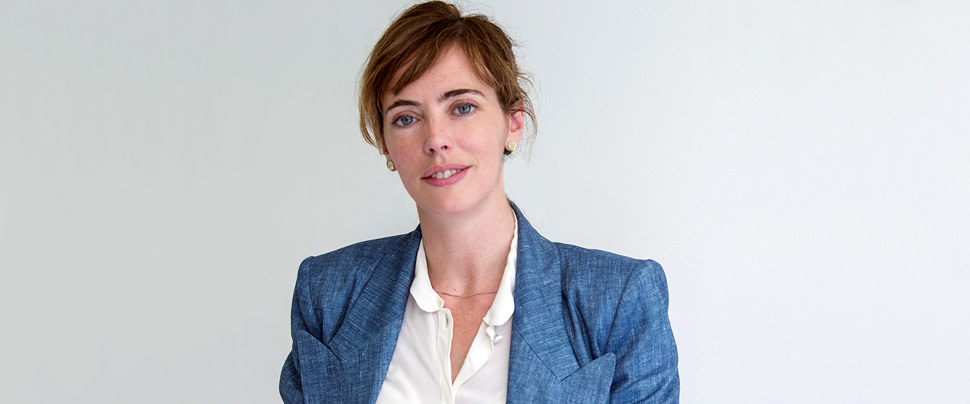
Sandra Phlippen
Chief Economist ABN AMROWhile this does not make this virus outbreak any less horrific, it does make you wonder what we are doing to ourselves with our relaxed attitude towards climate policy. Air pollution is a silent killer that we will not get under control on time unless we are forced to. It is therefore vital for politicians and officials who, like me, are in quarantine to consider seizing this enforced digitisation as an opportunity do some fundamental good for the climate: make sure that the economy, when it is reopened, is carbon-neutral. It will be a long time before we have a better opportunity to make such a big change.