Top Dutch male DJs earn an average of € 900,000 more a year than female counterparts
- Sponsorship

Stefan Wilten
Senior PR Specialist
There is structural inequality in the Dutch electronic music industry between the incomes of male and female DJs. While the sector is breaking international records, top male DJs earn an average of € 900,000 a year more than their female counterparts. These are among the findings of research by ABN AMRO, sponsor of DGTL Festival. The same inequality applies to up-and-coming DJs. Despite the presence of female talent and interest from fans, men are booked significantly more often at every level. To promote change, DGTL and ABN AMRO will be presenting the documentary Her Sound and a large-scale art installation developed by talented students of the DGTL Academy during the upcoming edition of the festival.
Barriers to entry and progression
The export value of Dutch music reached a record high of € 247 million last year, with almost seventy percent coming from performances by electronic dance music acts. This is evident from figures from the Dutch music rights management association . Calculations by ABN AMRO show that this amount is distributed very unevenly, partly due to structural inequality in the entry and progression of female talent.
Men are booked more often for electronic music festivals than women, for example. Top male DJs give an average of sixteen more international performances every year than female DJs. The proportion of women at small festivals is 41 percent; at large festivals this drops to 28 percent (). There is also a lag in progression: 75 percent of female artists stop within three years, compared with 66 percent of male artists ().
Gerarda Westerhuis, Sector Economist Leisure at ABN AMRO: “Dutch electronic dance music has been the most popular musical export product for years. Yet behind this success lies a persistent inequality. Female DJs perform structurally less often than men, which means they miss out on a substantial amount of income and opportunities to progress. Our research shows that when female DJs are given a platform less often, not only does talent disappear from view, but the sector also loses out on creativity and future success.”
An equal platform in front of and behind the scenes
ABN AMRO and DGTL believe the solution lies in joint efforts by the music industry. Actively investing in talent in front of and behind the scenes can create a sector in which equal opportunities are central. That way, talent can not only begin, but can also make its way to the top and stay visible in the scene.
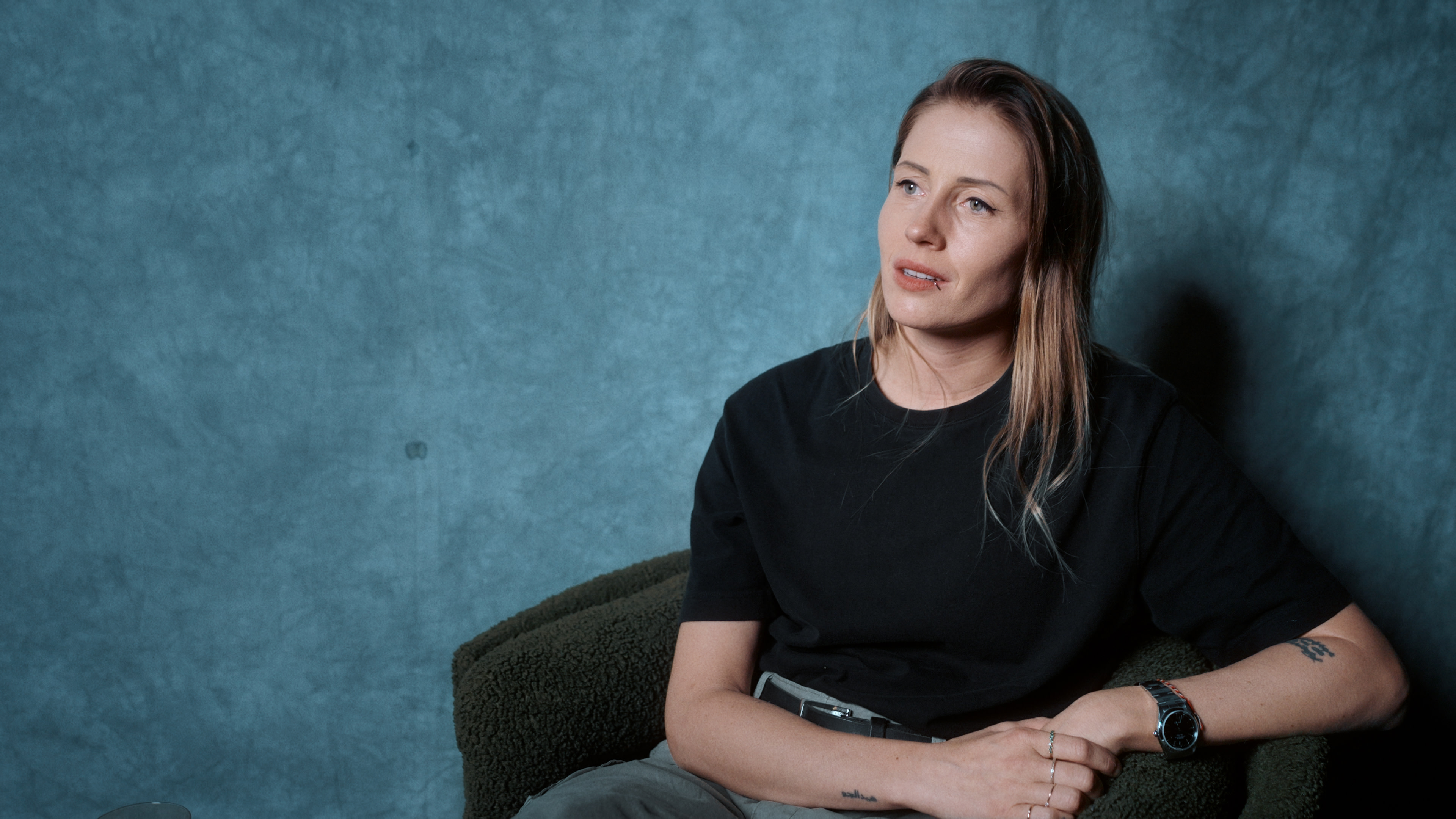
To put female talent in the spotlight and raise awareness of inequality in the scene, the documentary Her Sound will premiere at DGTL Festival 2026. Artists such as Charlotte de Witte and DJ Isis, as well as professionals behind the scenes, share their experiences in the film. In addition, a large audiovisual artwork will be presented at the festival. The artwork was developed by six talented female artists who were supported as part of the DGTL Academy to break down barriers in the industry.
Ellen Evers, director of DGTL Festival: “Across the industry, there is still a long way to go in terms of gender equality. As long as the responsibility for holding your own in an unequal system rests solely with women, little will change. That is why systemic change is needed. This theme has been part of our DNA at DGTL for years, both in front of and behind the scenes. In collaboration with ABN AMRO, we are working to accelerate that change. By conducting research, helping talent move forward through the DGTL Academy and bringing attention to this topic in the public conversation.”
Sander Bestevaar, Head of Partnerships, Events and Foundations at ABN AMRO: “This research makes it clear that the music industry does not yet offer female talent a level playing field. ABN AMRO aims to accelerate equal opportunities. As DGTL’s partner, we invest in concrete programmes and resources such as the documentary Her Sound and the DGTL Academy. We also provide a strong platform at DGTL Festival for female artists to present their work. In this way, we support female talent with knowledge, financial resources and a platform to break down barriers.”
Her Sound documentary |
|---|
Her Sound celebrates female talent in the electronic music scene – the women who shape it, sustain it and take it to the next level. The documentary follows the personal stories of established names such as Charlotte de Witte and DJ Isis, professionals behind the scenes and an emerging talent from the DGTL Academy. With contributions from DJ Joris Voorn and DGTL Festival director Ellen Evers, Her Sound places the personal stories in perspective. The documentary not only shows the barriers that still exist for female talent all the way to the top, but also that change is already under way, and that this change has a face. In doing so, the documentary serves as a direct call to the industry to break down systems to accelerate the movement towards equal opportunities for everyone. |
Her Sound is a Captains production based on an idea by Remy Steijger. The crew consists of 75 percent women, including Merel Lentink (director), Esther Pardijs (directing coach), Ottilie Maters (director of photography), Steffie La Haije (editor) and Angela Oudshoorn (executive producer). The documentary will premiere on Saturday 4 April 2026 at DGTL Festival. After that, Her Sound can be viewed on DGTL’s YouTube channel, with Dutch and English subtitles. |
About the research
The research was conducted in collaboration with Gerarda Westerhuis, Sector Economist Leisure at ABN AMRO. The data used is drawn from national and international public sources.
The study analysed the total export value of the Dutch music industry, with a specific focus on the share of electronic dance music and the gender distribution within this genre. It looked at Dutch electronic dance music artists with the highest number of international performances, calculating the financial value of the performances and mapping the male-female ratio. In addition, it calculated the amount that top Dutch female DJs miss out on annually due to the current inequality in the number of bookings compared with their male counterparts.