Kevin Warsh nominated to chair the Fed
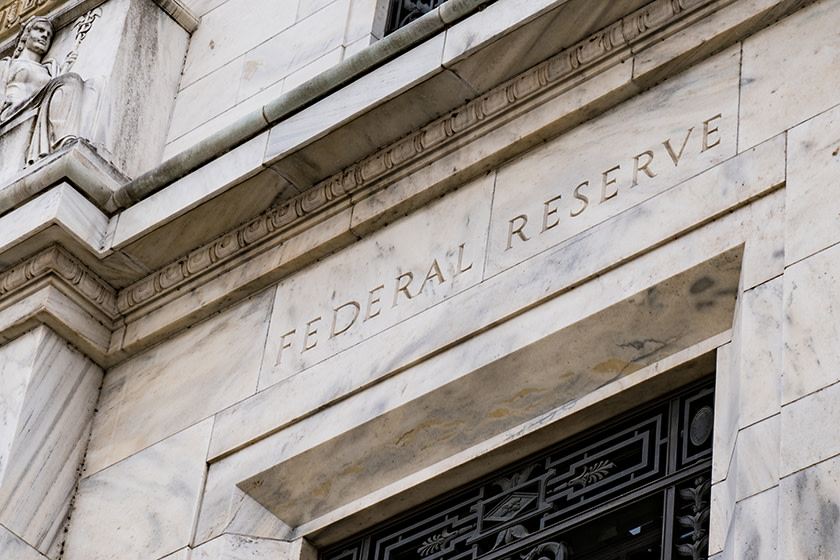
Following some last minute doubts last week, Trump formally nominated Kevin Warsh to be the next Fed Chair. He was picked from a shortlist which also included National Economic Council Director Kevin Hassett, Fed Governor Christopher Waller, and BlackRock’s Rick Rieder, who briefly appeared to be the frontrunner earlier this week. It could be that he will have to take Stephen Miran’s spot at the Federal Reserve Board. Miran was put in place to finish Kugler’s term which ends on January 31st after she resigned from her position last year. It is unclear whether Trump will get another pick on the Fed board, as current chair Jay Powell has not confirmed whether he will vacate his board position after the chair position ends.
Over the past months, it’s become clear that the Trump administration was seeking a dovish candidate who would be open to lowering rates and implementing structural changes at the Fed. Warsh ticks both boxes, but these were a prerequisite for the nomination. What can we expect from Kevin Warsh as a new Fed Chair?
Kevin Warsh was trained as a lawyer, worked on Wall Street, and has previously served on the Fed Board from 2006 to 2011. While he is a central bank insider, he has been openly critical of the Fed’s functioning. During his tenure at the board, he was actually on the hawkish side of the spectrum and compared to the other candidates he’s still seen as less dovish. But over the past months he has made it clear he was open to further rate cuts, arguing that productivity gains from AI limit inflation risk, putting him on the dovish side of the current FOMC. Overall, he’s pushed a relatively bullish outlook on the US on the back of that same AI narrative, as well as the pro-growth policy from the Trump administration.
He has also been an open critic of Fed policy. He was strongly critical of quantitative easing, going so far as to quit the Fed board in 2011 because of disagreement over the ramp up of QE. He has made the case for aggressively shrinking the balance sheet, consistent with Bessent’s editorial last year that talked about the Fed’s mission drift, including a critique of QE. Warsh has been quoted as saying the Fed needs ‘regime change’ which would involve ‘breaking some heads.’ This will not make him popular in the FOMC in the short run, and limits his soft power. What might that regime change look like? Based on a 2025 speech to the G30, we think it would involve less public speaking by Fed officials, less data dependence, and a tighter focus on interest rate setting. The overall message of the speech was one of distrust of models and data, calling forecasting a ‘distracting Fed preoccupation’ and warning that publishing your forecasts might lock you into a narrative. He has also been critical of forward guidance. We should therefore expect a little less clarity and guidance on the future monetary policy outlook. This could lead to more rate volatility and potentially higher term premia.
Taking a step back, whilst critical of the Fed’s functioning, Warsh seems a relatively benign pick on the Fed independence front. He is not clearly in camp Trump, and despite having a different view on monetary policy compared to the consensus of the FOMC over the past years, we don’t see this nomination as a further attack on the Fed’s independence. It remains important to realize that interest rates are set by a majority vote of a 12-member Committee, and the Chair’s power to influence consensus has limits. Until then, confirmation of Warsh may take some time, with Senator Thom Tillis, a member of the banking committee, saying that he will block any nominee until the subpoenas for current chair Powell have been resolved. Out of the four shortlisted candidates, we see this Warsh as the most likely of still being confirmed relatively quickly.