Dutch manufacturing sector benefits from stockpiling
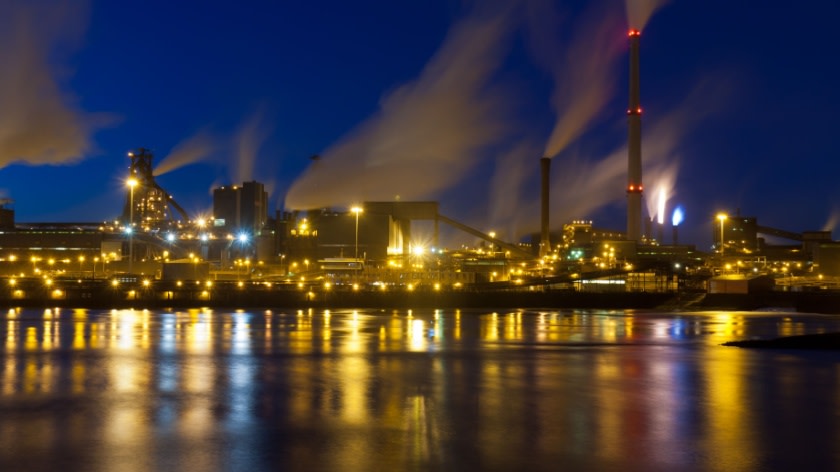
The Nevi Dutch Manufacturing PMI has risen sharply, from 52.0 to 54.4 in April, the highest reading since the summer of 2022. Because of the war in the Middle East, which has caused the biggest disruption to supply chains in almost four years, companies have started stockpiling.

Demand for Dutch manufactured products is rising at the fastest pace in almost two years. Foreign demand, however, is increasing only modestly. Growth appears to be driven mainly by domestic stockpiling. Dutch companies purchased more parts and materials and stepped up production sharply. Stocks of purchased materials also increased. Both input and output prices rose at an even faster pace than in the previous month. In addition to energy and fuel, transport and materials such as metals are also becoming more expensive rapidly. The combination of stockpiling extra inventories, higher production and rising prices is likely to increase working-capital requirements for many companies.
Despite rising demand and production, sentiment remains subdued. Expectations for production over the next twelve months improved only marginally. Apparently, industrial business owners are still apprehensive, even after the provisional ceasefire between the United States and Iran. The optimism visible on global stock markets in April sits uneasily with sentiment among purchasing managers in Dutch manufacturing.
Supply chains severely disrupted
As long as the Strait of Hormuz remains effectively closed to shipping, supply chains will become ever more severely disrupted. Countries in the Middle East, including Saudi Arabia and the United Arab Emirates, are normally important exporters of aluminium and chemical products, including fertilisers and plastics. The near standstill in exports of oil and gas has also led to chemical plants in East Asia closing, as they normally depend on raw materials from the Middle East. Prices for items such as plastics have risen by tens of percentage points since the war began. Delivery times and input prices are increasing at the fastest paces in almost four years. Some Dutch companies are managing to benefit from this disruption, even in energy-intensive sectors. For example, towards the end of the first quarter, AkzoNobel improved its margin by raising paint prices sharply. Various other chemical companies with activities in the Netherlands have also seen demand for their products pick up since March.
In the basic metals industry, prices are improving not only because of the war in the Middle East, but also thanks to the introduction of the Carbon Border Adjustment Mechanism (CBAM), the new European import levy on carbon-intensive materials. Importers of, for example, steel have had to pay an import levy since this year because of greenhouse-gas emissions. The steel industry is also benefiting from more protectionist policy by the European Union, which increased import duties on steel in 2025. From July, import duties are likely to rise further to protect the European steel industry against global overcapacity in the sector, which is largely the result of problems in China’s property sector in recent years. In addition, the European steel industry may benefit from the substantial investments by European NATO member states in defence.
The Netherlands grows strongly thanks to AI
Dutch manufacturing is growing faster than German manufacturing, as is evident, among other things, from the flash purchasing managers’ index for Germany from S&P Global. The German car industry has been under pressure for years, partly due to intense Chinese competition, and last year it suffered an additional blow from new import duties imposed by US President Trump. The German car industry does, however, appear to be stabilising at present, although the recovery remains uncertain due to the new wave of inflation caused by the war in the Middle East. Given the economic uncertainty, consumers may postpone purchasing a new car. Interest rates are also rising, making the financing of lease cars more expensive.
What is certain is that output in the German defence industry is increasing rapidly. Dutch manufacturing can benefit by supplying components. The situation in Germany matters: it is the most important export market for Dutch manufacturing.
Dutch manufacturing is also benefiting far more than many other countries from the large-scale investments in artificial intelligence (AI). Demand for chipmaking equipment is rising sharply due to huge demand for chips for data centres. Market leader ASML, for example, reported that it has raised its expectations for 2026, as its customers are accelerating their investment plans. Hundreds of Dutch suppliers could benefit from this, although an increasing part of the supply chain is located in Asian countries.
Because of the energy crisis resulting from the war with Iran, the recovery in 2026 remains uncertain, but for now Dutch manufacturing still appears to be on track for strong growth.