Hoarding rage drives fastest Dutch manufacturing growth in years
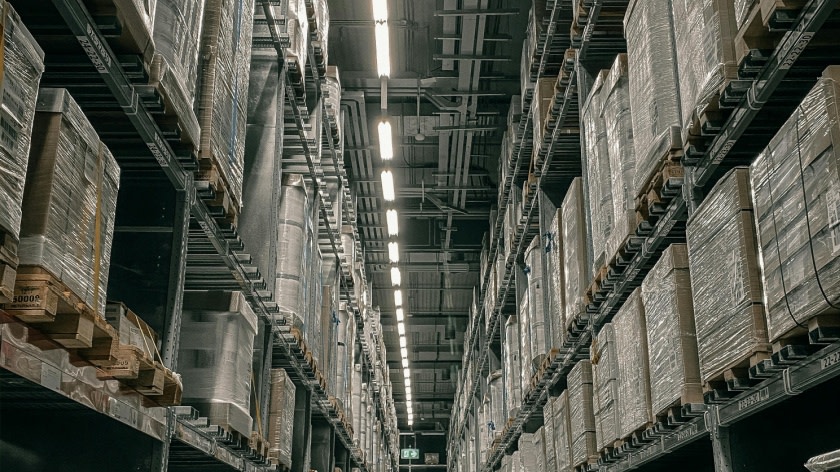
The hoarding behaviour as a result of the war with Iran is driving the growth of the Dutch manufacturing sector to its fastest pace in almost four years, according to the Nevi Dutch Manufacturing PMI. Buyers fear shortages and higher prices, and therefore buy extra parts and materials.

The Nevi Purchasing Managers Index for the Dutch manufacturing sector rose from 54.4 to 55.9 in May, mainly due to a strong increase in new orders. Output also expanded strongly, at the fastest pace in over four years. Nevi respondents were again fairly optimistic in May about expected growth over the next twelve months.
Demand for semi-finished products in particular increased, presumably because buyers are ordering additional parts and materials for fear of higher prices and possible shortages. Domestic demand is rising most strongly, but demand from abroad is also increasing, including from Germany, Asia and Australia. This probably concerns chemical products, for example, such as plastics.
Risk of unsold inventories
The hoarding behaviour is not illogical, given the months-long effective closure of the Strait of Hormuz as a result of the war. As a result, some supply chains are severely disrupted and shortages of certain materials are emerging. The supply of certain chemical products, plastics and aluminium has already declined, causing purchasing prices to rise sharply since the start of the war. For example, some plastics have become about 70 percent more expensive, according to data from Plastics Information Europe.
Companies that are currently purchasing additional stock will have to realise that it is also possible that they might end up buying excess inventory, especially if previously ordered materials are delivered after some time, while the demand for their products falls somewhat. The phenomenon whereby a small change in demand for products, in this case mainly semi-finished goods, leads to large fluctuations in inventory and production levels is also known as the Forrester or bullwhip effect. The various Nevi sub-indicators paint a picture of the largest bullwhip effect in about four years.
Incidentally, the higher purchasing costs are increasing working capital requirements for many businesses in the Dutch manufacturing sector. According to figures from Statistics Netherlands, purchases of plastics normally account for about half of the total costs of the plastics processing industry. Fuel, chemical products and metals are also becoming more expensive quickly, resulting in an even greater need for liquidity.
The Netherlands benefits from AI investment
Not all price rises are the result of the war with Iran. Electronic components are also becoming more expensive, presumably due to the high demand caused by investment in data centres for AI applications.
The Nevi figures also suggest that hoarding behaviour because of the war with Iran is probably not the whole story. The relatively rapid growth of Dutch industry could partly be the result of extensive investments in data centres, prompting chip manufacturers to accelerate their investment plans. Dutch manufacturers of chip-making equipment, of which market leader ASML is by far the best known, are benefitting from this, along with many hundreds of Dutch suppliers. Relatively strong domestic demand is indirectly reflected in the fact that the preliminary purchasing managers' indices from S&P Global fell outside the Netherlands, including in Germany and the eurozone.
Nevertheless, the question is whether the Dutch industry can maintain the current growth rate in the coming months. When the hoarding effect subsides, it will become clear how resilient the demand for Dutch industrial products really is. Preliminary purchasing managers' indices from S&P Global show that the services sector in particular is suffering from rapidly rising inflation, leading to a contraction of the eurozone economy. If the downturn persists for too long, it is likely to be bad news for demand for machinery.