Fed to signal imminent rate hike
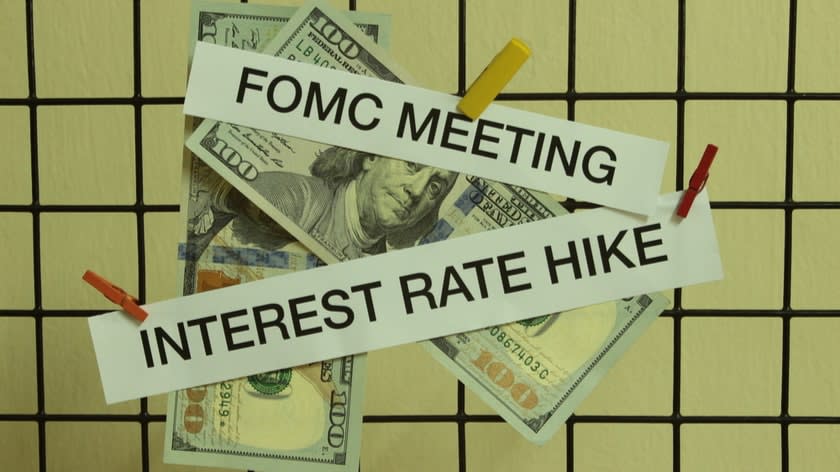
FOMC Preview: Statement to signal March hike – The FOMC is widely expected to keep policy on hold when it concludes its January meeting on Wednesday. Euro Macro: Composite PMI declines, but details deliver a positive message.


FOMC Preview: Statement to signal March hike
The FOMC is widely expected to keep policy on hold when it concludes its January meeting on Wednesday. In light of the continued upside surprises in inflation, and a surge in wage growth, we expect the Committee to strongly signal in its policy statement that it is likely to implement a 25bp rate hike when it next meets in March (note, there will be no update to the Committee’s projections at this meeting). This would be consistent with comments from a range of FOMC members in recent weeks that have suggested they favour such a move. A March rate hike would be in line with our newly updated forecast for the Fed – we now expect four such hikes this year, with the risk tilted to an even steeper rise in rates – while the latest Bloomberg survey suggests the consensus has also come around to such a view. Market pricing meanwhile has moved to price out the very small risk of a 50bp move in March – briefly, markets priced in around a 10% chance of such a move – perhaps in light of broader risk aversion (itself likely linked to worries over both the Fed as well as Ukraine tensions). Alongside signaling on rates, there could also be some suggestion in the statement that the balance sheet unwind will likely start soon after the end of asset purchases (our base case is May), though we do not expect a formal plan to be announced on this until March. In the press conference, we expect Chair Powell to be asked about the Committee’s current views of inflation risks, whether the Fed might hike at a more aggressive pace, and what the balance sheet unwind might entail. We expect him to strike a hawkish tone given the upside risks to inflation, with the recent weakness in equity markets unlikely to be enough to cause the Fed to change tack at this stage. Indeed, given that tighter financial conditions will likely be necessary for the Fed to bring inflation back under control in the US, we continue to think the bar will be much higher for the Fed to postpone rate hikes than in the past. See our and for more. (Bill Diviney)
Euro Macro: Composite PMI declines, but details deliver a positive message
The eurozone composite PMI declined to 52.4 in January, down from 53.3 in December. Although the outcome was in line with our expectations, the mix of the two components of the composite PMI, i.e.. the services sector PMI and the manufacturing PMI, was more positive than we had anticipated. Indeed, the decline in the composite PMI was due entirely to weaker activity in the services sector (services PMI to 51.2, down from 53.1), whereas the manufacturing PMI actually rose (to 59.0, up from 58.0). These changes in the services PMI and manufacturing PMI bode well for GDP growth in the coming months. Indeed, the drop in activity in the services sector is temporary in nature, and will be followed by a rebound, as it is related to the spread of the Omicron variant, renewed social distancing and (partial) lockdown measures in December-January. In contrast, the rise in the manufacturing PMI as well as in its new orders component suggest that activity in the manufacturing sector will grow robustly in the coming months. A final positive detail in the manufacturing PMI was that the indicator for supplier delivery times improved a bit in January, suggesting that the Omicron variant has not aggravated global supply bottlenecks so far. All in all, the results of the eurozone January PMI report point to activity evolving in line with our scenario for the eurozone economy, of modest GDP growth in 2022Q1 and a sharp rebound in activity in the next two quarters (see ). (Aline Schuiling)