Sustainaweekly - Emission pathways for shipping
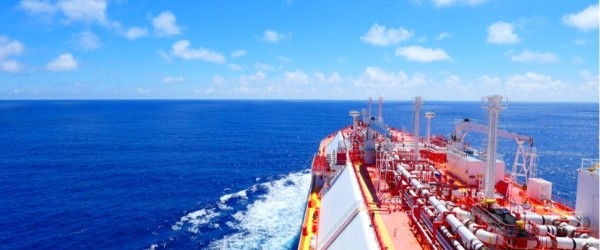
In this edition of the SustainaWeekly, we start by focusing on emission pathways for the international shipping sector. The International Maritime Organization (IMO) – which sets the industry standard – has set out a 50% emission reduction target by 2050. However, it recognises that more is necessary and it will announce a more ambitious plan next year. The International Renewable Energy Agency (IRENA) has an 80% reduction for shipping in its 1.5 degree pathway. We go on to assess whether longer maturity green bonds trade with lower term premiums than equivalent regular bonds, but we find limited evidence of this. Finally, we review the World Bank’s latest report on carbon pricing trends around the world. The clear take away is that the scope and level of carbon pricing is still well behind what is needed.


Economics Theme: We look at emission pathways for shipping. The IMO strategy currently targets a reduction of 50% by 2050 and 100% within the century, but it has signalled it is working on a more ambitious strategy. According to IRENA a 1.5 degree scenario should see an 80% reduction by 2050. This is broadly in line with the IEA’s scenario.
Strategy Theme: We assess whether longer maturity green bonds trade with lower term premiums than equivalent regular bonds for the utility and real estate sectors. Utility green bonds do indeed seem to trade at flatter curves, although the evidence is not overwhelming. In the real estate space, green curves are actually steeper.
Policy & Regulation: The World Bank’s latest report on carbon pricing provides an update of trends around the world. The scope and level of carbon pricing is still well behind what is needed. Less than a quarter of global emissions are covered by carbon pricing, while only 4% of emissions are subject to a price high enough for a 1.5 degree pathway.
ESG in figures: In a regular section of our weekly, we present a chart book on some of the key indicators for ESG financing and the energy transition.