Our research
Access all our publications and columns. Use the filters to easily find what content you are looking for.
Filters
All publications
102 results
Gas Market Strategist - Tight supply and thin storage set the stage for a tough winter
- Macro economy
-
European gas prices hover above EUR 70/MWh amid geopolitical disruption, low storage and intensifying LNG competition. EU storage stands at 65%, well below 82% average, and may reach only 75% by November. Lost Qatari LNG is only partly offset, leaving Europe without a sufficient operational supply buffer. Europe–Asia LNG competition is set to intensify, keeping prices high and volatile. Low storage leaves Europe exposed to cold winter or unplanned US and Norwegian disruptions which could trigger shortages and renewed price spikes. Prices may ease to EUR 45-50/MWh in Q4 if Hormuz reopens; prolonged closure implies EUR 70-80/MWh.
The economic impact of a hotter Europe
- Macro economy
-
The summer of 2026 has so far been exceptionally warm and dry, with wildfires spreading across large parts of Europe. Recent indicators of land temperatures, drought conditions and wildfire activity are significantly exceeding longer-term trends. Moreover, economic losses associated with heatwaves, droughts and wildfires have risen steadily over time. In this note, we estimate the economic losses incurred across Europe during the summer of 2026, and we also consider what these developments may imply for the Netherlands. Finally, we examine the implications of these extreme weather events for energy markets.
Carbon Market Strategist - EU ETS review signals less scarcity and more industrial policy
- Natural resources
-
The EU ETS review reduces long-term allowance scarcity while EU's climate targets remain unchanged. Supply-side reforms dominate the package, with changes to the cap trajectory and Market Stability Reserve potentially adding nearly 2 billion allowances by 2040. New sectors and activities increase EUA demand, but their impact is gradual and outweighed by additional supply flexibility. Energy-intensive industries, removals developers and Article 6 projects stand to benefit, while long EUA scarcity positions face pressure. We expect EUA prices to be at a lower level but remain structurally elevated with an upward trajectory if the review to be fully adopted. Prices are expected to reach 91 EUR/tCO₂ in 2030 and 164 EUR/tCO₂ in 2035 under the review scenario.
ESG Economist - Europe’s path to energy security
- Natural resources
-
Expanding renewable energy sources, alongside investments in grids, storage, and supply chains, creates a sustainable and affordable energy system while reducing import dependency. Despite progress, projections show a significant gap between the current trajectory and the 2030 targets, prolonging reliance on imported fossil fuels and increasing geopolitical risks. Reducing energy intensity and improving efficiency decouples economic growth from energy consumption, strengthening competitiveness and lowering exposure to volatile energy markets. The expansion of electrification, based on the expansion of renewable energy, is crucial to safeguarding the EU’s energy security. Energy efficiency, innovation and the reuse of raw materials make countries less dependent on volatile energy markets and imports. Expanding storage capacity, refining facilities, and grid infrastructure ensures stability during energy crises and supports the transition to renewables. Integration of cross-border energy systems, aligned policies, and collaborative strategies strengthen resilience and reduce dependencies on external suppliers.
Gas Market Monitor - Gas markets find relief as Europe races to refill storage
- Macro economy
-
Europe’s reliance on LNG has increased since 2022, raising its exposure to global LNG disruptions; the US supplied 58% of European LNG imports in 2025. European gas prices initially surged on the Iran conflict but later eased as Asian demand weakened and US LNG inflows increased. The US-Iran agreement provided further relief, pushing TTF prices around 15% lower, although short term prices remain higher than long term ones. High injection-season prices have discouraged storage filling, leaving EU storage at a seasonal low of 44.7%. Stable Norwegian and US inflows, returning Qatari supply, and weaker Asian competition should allow Europe to reach around 75% storage by October. However, renewed conflict, supply disruptions, adverse weather, or project delays could slow replenishment and keep prices elevated. We expect gas prices to remain above seasonal averages, averaging 46 EUR/MWh in Q2, 43 EUR/MWh in Q3, and around 48 EUR/MWh during the heating season.
Carbon Market Strategist - Revised outlook amid anticipated structural shifts
- Sustainability
-
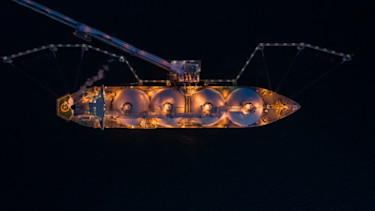
The initial surge in EUA prices in 2026 is reversed as sentiment shifted due to the upcoming ETS review and geopolitical tensions. We revise our Baseline long term outlook downward to 138 EUR/tCO2 by 2030 and 191 EUR/tCO2 by 2035 due to weaker demand and heightened geopolitical uncertainty. Linking the EU and UK ETS in 2028 would slightly lower prices, while carbon removals inclusion in 2031 would trigger a sharp drop in prices before recovering by 2035. EUA prices for 2026 are revised downward, to an average of 82 EUR/tCO2, reflecting weaker demand, geopolitical volatility, and policy-driven market uncertainty.

Oil Market Monitor - The ripple effects of Strait of Hormuz closure
- Natural resources
-
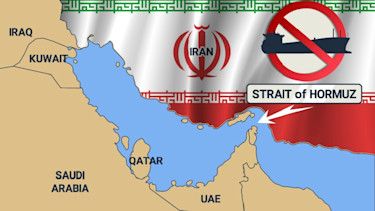
The war in Iran has significantly disrupted global oil and gas markets, with the effective closure of the Strait of Hormuz causing a shortfall of over 20 million barrels per day (mbpd) of crude oil and refined products from the Gulf region. This has stranded numerous cargos on either side of the passage, while escalating attacks on energy infrastructure threaten prolonged disruptions and a new wave of higher inflation globally. In response, countries linked to the IEA plan a coordinated release of 412 million barrels of emergency stocks. While efforts to reroute disrupted supplies and reduce demand provide some short-term relief, a prolonged disruption would have devastating consequences worldwide.
Carbon Market Strategist-Supply uncertainty and weaker demand reshape carbon market outlook
- Sustainability
-
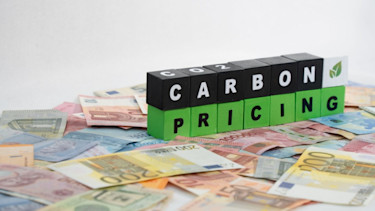
EUA prices peaked early 2026, then fell back as sentiment weakened and intervention possibility increased. Tighter LNG markets revived fuel switching dynamics, but impacts are expected to be smaller than in 2022. Traders reduced long positions and increased shorts as bullish sentiment faded. Rising geopolitical uncertainty reduces allowance demand expectations from main sectors. CBAM entered its definitive phase; upcoming EU ETS/MSR reforms increased near term supply uncertainty. We revised 2026 outlook downward, though price recovery is still expected later in the year.
Podcast - Talking Macro: Is Europe heading for a new energy crisis?
- Macro economy
-
In this episode, Bill speaks with Senior Energy Economist Moutaz Altaghlibi about how the Iran conflict is affecting global energy markets, and whether Europe faces the risk of a new energy crisis.
Macro scenarios of the Iran conflict
- Macro economy
-
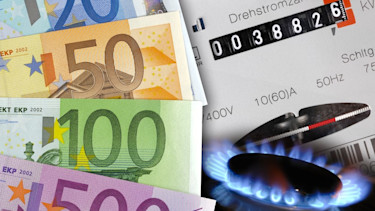
The conflict in between the US-Israel and Iran has entered its 11th day. Geopolitical risk, as measured by the GPR index, has spiked to levels last seen around the Iraq invasion in 2003, and has remained highly elevated since. Since our initial publication last week Monday, it has been a rollercoaster ride for both oil and gas markets [1]. Given the ongoing uncertainty around the duration and impact of the conflict, we have put together three scenarios exploring how the macro-economic impact could evolve over the coming months, focused on the US and eurozone, and with the implications for the ECB and Fed’s key policy rates. We will follow up this note with updates on how we see these scenarios impacting bond and FX markets in the coming days.